
Loading...
Serving Azusa, CA and surrounding areas. (626) 540-1971
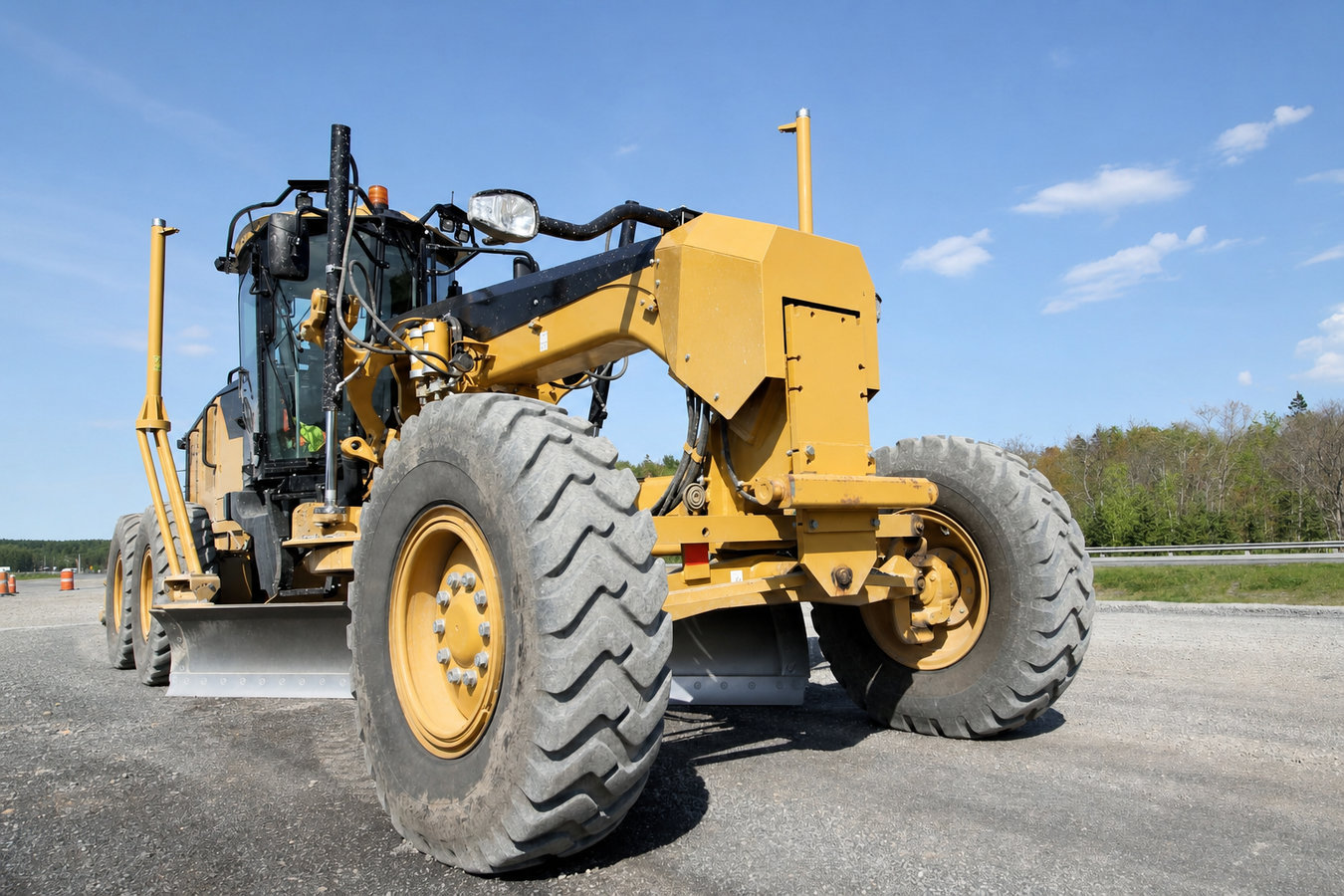
Asphalt laid over bad ground cracks and sinks within a few years. We excavate to the right depth, grade for drainage, and compact a solid base so your new driveway or lot holds up through every rainy season.
Grading and excavation in Azusa means reshaping and leveling the ground so water drains away from your home, removing soil to the correct depth, and compacting a stable base before any asphalt or concrete surface goes down - most residential driveways or small paved areas are completed in one to two days.
If you are planning a new driveway or paved area in Azusa, this is the step that determines whether the surface lasts ten years or two. The San Gabriel Valley has clay-rich soils that expand when wet and shrink when dry, which means the ground under your pavement is constantly in motion. A surface laid over poorly prepared ground will show it quickly - first in small cracks, then in sunken or heaving sections that keep coming back no matter how many times you patch them.
If your existing pavement is already showing widespread cracking or sinking, we may recommend pairing grading and excavation with drainage solutions to address where water is going before any new surface material is laid.
Standing water on your driveway, in your yard, or near your foundation after rain means the ground is not draining the way it should. This is often a grading problem - the surface is sloping toward your home instead of away from it. Left alone, that water erodes soil and can cause expensive structural damage.
Uneven settling, sunken sections, or cracks that keep coming back after patching are signs the base beneath your pavement was never properly graded or has shifted over time. In the San Gabriel Valley, clay soils that expand and contract seasonally are a common culprit. Repaving over a bad base just delays the same problem.
If you are adding a new driveway, parking pad, or paved surface, grading and excavation are the first steps - not optional extras. Skipping proper ground prep to save money upfront almost always leads to premature surface failure. Getting it right from the start protects the investment.
If you can feel your car dip in certain spots or the ground feels soft underfoot after rain, the subgrade has likely lost its stability. This is especially common on older Azusa properties where original grading was minimal or where seasonal soil movement has disrupted the base over the years.
We handle site grading and excavation for residential driveways, parking areas, and small commercial lots throughout Azusa and the broader San Gabriel Valley. Our process covers the full sequence - site assessment, permit coordination where required, excavation to the correct depth, slope grading for drainage, and compaction of aggregate base in layers before any paving begins. We haul away excavated material and leave the site ready for the next phase of work.
For projects that require attention to drainage flow across the property, we also offer concrete curbing and sidewalks to define paved edges and control water runoff, and drainage solutions to address chronic pooling or runoff problems before new pavement is laid. Good grading is only half the equation - water also needs somewhere to go once the surface is in place.
Best for homeowners installing a new driveway or expanding an existing one - includes full excavation, slope grading, and base compaction.
Best for commercial or residential properties adding a new parking area or regrading an existing lot that drains poorly.
Best when existing pavement has failed due to a bad base - old material is removed and the subgrade is rebuilt correctly before repaving.
Best for properties where water consistently drains toward the home or pooling spots - ground is reshaped to redirect flow away from structures.
Azusa sits on an alluvial fan at the base of the San Gabriel Mountains, which means soil conditions here can vary dramatically from one end of a property to the other - pockets of dense gravel, soft clay, and compacted debris mixed in layers that are not visible from the surface. On top of that, the Mediterranean climate delivers almost all of its rain between November and April, with very dry summers. That wet-dry cycle causes clay-bearing soils to expand and contract with each season, putting constant stress on any surface that was not built on a properly stabilized base. Fall is the best time to do this work in Azusa - the ground is dry and firm after summer, and you want drainage properly set before the rains arrive.
We work regularly on properties in Azusa and Glendora where the same foothill terrain and soil variability apply, and we factor that local knowledge into every site assessment. The National Asphalt Pavement Association sets the industry standards for base preparation and compaction that we follow on every job.
We visit your property to look at the existing ground, measure the area, and assess how much slope correction or material removal is needed. We pay close attention to how water currently flows across your property and where it needs to go after the work is done. You receive a written estimate before any work is scheduled.
If your project involves changes to drainage near the street or work within the public right-of-way, a city permit may be required. We handle the application and let you know how it affects the start date - permit timelines vary, so asking about this early is worth it. We reply to all inquiries within one business day.
The crew removes existing material to the required depth, shapes the ground to the correct slope, and compacts aggregate base in layers. In the San Gabriel Valley, this often means working through clay layers or mixed alluvial soils that require careful, staged compaction for a firm result.
Before any asphalt goes down, we walk the site with you to confirm the slope looks right and drainage will flow where it should. If a permit was pulled, an inspection may be required at this stage. Once everything checks out, the surface is ready for paving.
Free estimate, written scope with drainage plan, no pressure. Fall is the ideal window - schedule before the rains arrive.
(626) 540-1971We do not just remove dirt - we plan where the water goes before we start. Every estimate includes the slope we are targeting and why, so you know the finished surface will drain away from your home, not toward it.
Azusa's foothill terrain produces variable, often unpredictable soil conditions within a single property. We assess the actual site - not a generic soil type - before quoting, so the project does not hit unexpected obstacles mid-job.
Aggregate base compacted in thin layers - called lifts - is far stronger than base dumped in and compacted once. We follow this practice on every job because it is what produces a base that holds up under Azusa's seasonal soil movement.
We manage city permit applications when required and hold a California contractor license you can verify at cslb.ca.gov. A written scope covers excavation depth, compaction method, and drainage slope before work begins.
Grading and excavation is invisible once the pavement goes down - which is exactly why it matters so much. We give you a clear written plan before any work starts so you know what was done and why, and we back the job with the local reputation we have built working throughout the San Gabriel Valley.
After the ground is graded, concrete curbing defines the edges of paved areas and controls how water moves across the finished surface.
Learn MoreFor properties with chronic water pooling or runoff problems, dedicated drainage work paired with grading ensures water has a clear path away from structures.
Learn MoreFall is the best window before the rains arrive. Call now for a free site assessment and written estimate with a drainage plan included.